
Tornado Shelters Above Ground: Are They Safe?
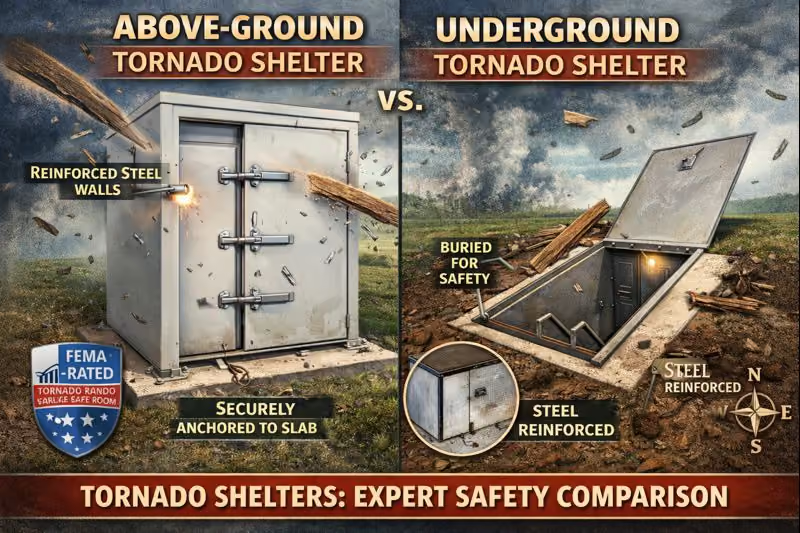
When most people picture tornado protection, they imagine climbing down into a basement or underground bunker. For decades, “below ground” was considered the gold standard for tornado safety. Today, that assumption no longer tells the full story. Advances in engineering, materials, and testing standards have made tornado shelters above ground one of the safest and most practical options for many U.S. homeowners.
Still, questions remain. How safe are above-ground storm shelters? Do above-ground storm shelters really work in EF4 or EF5 tornadoes? Can steel or concrete shelters above ground protect against flying debris and extreme wind speeds?
The short answer is yes. When properly designed, tested, and installed, above-ground tornado shelters provide the same life-safety protection as underground shelters. This guide explains how they work, what makes them safe, how they compare to underground shelters, and what to look for when choosing one for your home.
How Above-Ground Tornado Shelters Are Built for Safety
An above-ground tornado shelter is not just a reinforced room or a heavy box placed inside a house. It is a purpose-built structure engineered specifically for tornado conditions. Safety depends on performance, not location.
Modern above-ground storm shelters typically include:
- Heavy-gauge steel or reinforced concrete construction
- Impact-resistant walls designed to stop high-speed debris
- Reinforced doors, hinges, and multi-point locking systems
- Anchoring systems engineered to resist uplift and lateral forces
Materials matter, but design matters more. A properly engineered above-ground safe room is tested as a complete system, walls, door, hardware, and anchors working together under extreme stress.
Safety Standards That Matter: FEMA and ICC Certification
The most important factor in tornado shelter safety is certification. Reputable tornado shelters above ground are built to meet or exceed nationally recognized standards, including:
- FEMA 361
- ICC 500
These standards require shelters to withstand:
- Wind speeds exceeding 250 mph
- Impact from a 15-pound projectile traveling over 100 mph
- Extreme pressure changes during violent tornadoes
Testing is not theoretical. Shelters are physically tested to simulate EF4 and EF5 tornado conditions. If a shelter meets FEMA and ICC standards, it provides verified life safety regardless of whether it is above or below ground.
If a product lacks certification, claims about safety are unproven.
Above-Ground vs Underground Tornado Shelters
Both shelter types can offer excellent protection, but they serve different needs. Understanding the differences helps homeowners choose the safest option for their situation.
Above-Ground Tornado Shelters
Above-ground storm shelters are increasingly popular across the United States because they offer:
- Immediate access during fast-moving storms
- Easier entry for seniors, children, and people with mobility challenges
- No excavation or complex drainage requirements
- No flood risk from saturated soil or high water tables
- Flexible installation in garages, homes, or outdoor concrete pads
Options include steel above-ground storm shelters, above-ground concrete storm shelters, and reinforced safe rooms designed for residential use.
Underground Tornado Shelters
Underground shelters also provide strong protection, but they come with limitations:
- Require excavation and soil evaluation
- Can flood in heavy rain or poor drainage conditions
- May be harder to reach quickly, especially at night
- Often cost more due to labor and site preparation
From a safety standpoint, a FEMA-rated above-ground shelter and a FEMA-rated underground shelter provide equivalent protection. The decision comes down to access, site conditions, and lifestyle needs.
Anchoring: The Most Critical Safety Factor
The strongest shelter in the world can fail if it is not properly anchored. For tornado shelters above ground, anchoring is the single most critical element of safety.
Certified shelters use engineered anchoring systems tested to resist:
- Extreme uplift forces
- Lateral wind pressure
- Structural collapse of surrounding buildings
Shelters are anchored to reinforced concrete foundations using tested bolt patterns and embedment depths. Professional installation ensures the shelter performs as designed during violent tornadoes.
Improper anchoring is one of the main reasons uncertified or DIY shelters fail.
Materials Used in Above-Ground Tornado Shelters
Different materials can be safe when engineered and certified correctly.
Steel Above-Ground Storm Shelters
Steel shelters use heavy-gauge plate steel designed to flex without failing under impact. They are common for residential safe rooms and garage installations.
Reinforced Concrete Storm Shelters
Concrete shelters use steel-reinforced concrete walls designed to absorb impact energy. Options include reinforced concrete storm shelters and concrete block tornado shelters when built to FEMA and ICC standards.
The safest tornado shelter is not defined by material alone. It is defined by testing, certification, and installation quality.
Common Myths About Above-Ground Storm Shelters
Myth: Above-ground shelters will be blown away
Fact: Properly anchored, FEMA-rated shelters are engineered to stay in place even when the surrounding structure is destroyed.
Myth: Underground is always safer
Fact: Flooding, delayed access, and mobility challenges can make underground shelters less safe in certain environments.
Myth: Any reinforced room is a safe shelter
Fact: Only shelters tested and certified to FEMA and ICC standards provide verified tornado protection.
Understanding these myths helps homeowners make evidence-based decisions instead of relying on outdated assumptions.
Why Above-Ground Tornado Shelters Are Growing in Popularity
Across the United States, more families are choosing above-ground tornado shelters because they align with real-world tornado risks.
Key reasons include:
- Faster access during nighttime or sudden storms
- Installation inside garages or homes for convenience
- Reduced installation complexity and cost
- Proven performance in real tornado events
For many households, especially those without basements, above-ground shelters are the most practical solution available.
Manufacturers like Steadfast Storm Shelters specialize in FEMA-rated shelters designed specifically for modern tornado threats. Their designs focus on certification, anchoring, and accessibility, not outdated assumptions about safety.
You can explore shelter options here:
- Steadfast Storm Shelters
- Residential Above-Ground Shelters
- Steel Safe Rooms
- Concrete Storm Shelters
- Residential Underground Shelters
How to Choose a Safe Above-Ground Tornado Shelter
When evaluating tornado shelters above ground, always confirm:
- FEMA 361 and ICC 500 certification
- Professional installation and anchoring
- Heavy-duty door and multi-point locking system
- Verified manufacturer experience and documentation
Avoid shelters that rely on vague claims, untested designs, or lack third-party certification. In tornado safety, proof matters.
What Is the Safest Tornado Shelter?
The safest tornado shelter is one that is:
- Properly engineered
- Independently tested
- Certified to FEMA and ICC standards
- Correctly installed and anchored
Location alone does not determine safety. A certified above-ground shelter provides the same level of life protection as a certified underground shelter.
Are Tornado Shelters Above Ground Safe? Final Answer
Yes. Tornado shelters above ground are safe when they are properly designed, certified, and installed. Safety comes from engineering, standards, and anchoring, not from being underground.
For many U.S. homeowners, above-ground shelters offer the best combination of protection, accessibility, and practicality. Choosing a certified shelter from a reputable provider is the key to reliable tornado safety.
Above-Ground Tornado Shelter FAQs
Are above-ground tornado shelters really safe?
Yes. FEMA-rated above-ground shelters provide the same life safety as underground shelters when properly installed.
Do above-ground storm shelters work in EF5 tornadoes?
Certified shelters are tested to withstand EF5-level winds and debris impacts.
Can above-ground shelters be installed indoors?
Yes. They are commonly installed in garages, homes, or on outdoor concrete pads.
Are underground shelters safer than above-ground?
Not necessarily. Safety depends on certification and installation, not location.
How long does installation take?
Most above-ground shelters can be installed in one day once the foundation is ready.